Ubuntu Font J to R: A Craft Fair Review
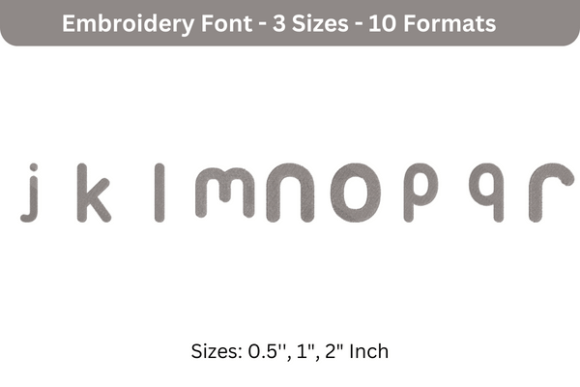
As an embroidery designer who has spent countless weekends behind a booth table, I know that the difference between a browser and a buyer often comes down to legibility and style. When I pulled up the Ubuntu Font J to R machine embroidery design, my first thought was about versatility. This is not just another script font; it is a clean, modern typeface that bridges the gap between digital minimalism and tactile handmade charm. For those of us selling at craft fairs or running online shops, finding a font that reads well from three feet away is half the battle.
This review focuses on how this specific segment of the alphabet performs in real-world applications. Whether you are an Etsy seller looking to refresh your digital embroidery file offerings or a boutique maker preparing for the holiday rush, understanding the nuance of these letters is key to creating high-value products.
First Impressions: Modern Cleanliness Meets Handmade Warmth
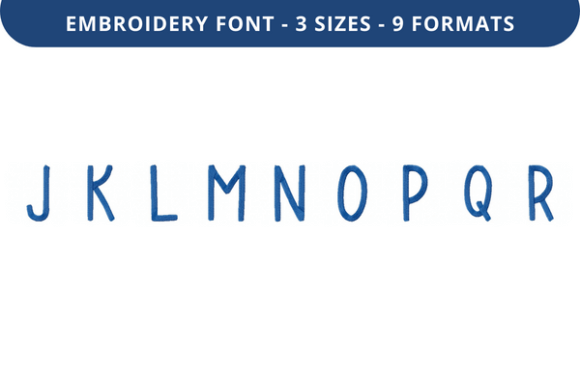
The Ubuntu typeface is renowned in the graphic design world for its humanist sans-serif qualities. Translating that into stitches requires precision. Upon inspecting the Ubuntu Font J to R, the immediate impression is one of clarity. It does not try to be overly decorative or frilly. Instead, it offers a bold, confident presence. This makes it an excellent choice for modern farmhouse aesthetics, minimalist nursery decor, and contemporary apparel.
For the Back To School season, this font is particularly potent. Parents are increasingly moving away from cartoonish characters and toward personalized, sleek items. The letters J through R cover common initials for names like James, Julia, Ryan, and Rachel. Having a font that looks professional on a backpack or a lunch bag gives your handmade product a premium edge over mass-produced alternatives.
Product Applications: Where These Letters Shine
Not every font works on every substrate. Through my experience testing various designs, I have identified where Ubuntu Font J to R delivers the best return on investment for your time and materials.
- Tote Bag Design: Canvas totes are staples at craft fairs. The bold strokes of the Ubuntu font hold up beautifully against the coarse weave of canvas. A single initial or a short name stitched in a contrasting thread color creates an instant bestseller.
- Apron Embroidery: Personalized aprons are huge gifts for chefs and bakers. The clean lines of these letters look sophisticated on cotton twill. Avoid overly complex motifs; let the typography stand alone for a chic, professional look.
- Tea Towel Embroidery: Kitchen textiles require designs that can withstand washing. The stitch structure here appears robust. Stitching a quote or a family name on a hemmed tea towel adds significant perceived value to a simple fabric item.
- Embroidered Patch: Patches are low-risk, high-reward items. Because the Ubuntu font is geometric, it digitizes well into small spaces without losing definition. These make excellent impulse buys at your booth.
- Caps and Hats: Curved surfaces are tricky. The moderate density of this font prevents puckering on structured caps. However, always test on curved hoops to ensure the letters do not distort near the seams.
Production Practicality for Small Shop Owners
Time is money in commercial embroidery. One of the strongest selling points of Ubuntu Font J to R is its efficiency. The design avoids excessive underlay or redundant travel stitches, which means faster run times. For a small shop product, this efficiency allows you to batch produce items like pillow covers or market bags without tying up your machine for hours on a single piece.
Photography is another critical factor. This font photographs exceptionally well because of its high contrast and clear edges. When creating a printable mockup for your Etsy listings, the sharpness of the letters ensures that customers can read the personalization options clearly on their screens. Clear images lead to higher conversion rates.
Navigating Technical Challenges
While the design is high-quality, no embroidery file is immune to poor execution. Here are some careful-use notes to ensure your finished product maintains its integrity:
- Stitch Density: Always check the stitch density settings in your software. If you are stitching on delicate fabrics like silk or lightweight linen, you may need to reduce density slightly to prevent perforation.
- Fabric Texture: On textured towels or thick fleece, the fine details of smaller letters might get lost. Use this font primarily on smooth to medium-texture fabrics for the crispest result.
- Thread Colors: Since this is a sans-serif font, avoid using variegated threads for small text. Solid, high-contrast thread colors ensure the letters remain legible. A dark thread on a light fabric, or vice versa, works best.
- Stabilizer Selection: Do not skimp on stabilizer. For stretchy fabrics like jersey tees, use a cut-away stabilizer. For woven cottons, a tear-away is usually sufficient, but hooping tightly is essential to prevent shifting.
Boosting Brand Consistency and Buyer Engagement
Your booth display tells a story. Using a consistent font family across your product line creates a cohesive brand identity. If you use Ubuntu Font J to R on your signage, price tags, and product personalization, your stall looks curated and professional. This visual appeal draws customers in and suggests that your handmade quality extends to every detail.
Furthermore, this font encourages engagement. Customers love seeing their own names. By offering a font that is easy to read and stylish, you invite them to imagine their own initials on your goods. This mental ownership is a powerful sales tool. It transforms a generic tote bag into a personal accessory.
Designer Notes: Before You Start Stitching
Before you commit to producing inventory, take these practical steps. First, always test the design on scrap fabric that matches your final product material. Check for any thread breaks or nesting issues. Second, verify the hoop size requirements. While the description mentions it is suitable for various fabrics, ensuring your hoop can accommodate the largest letter in the set without re-hooping is crucial for alignment.
Additionally, confirm the commercial licensing terms. The product description states it is a high-quality embroidery font for personalizing designs, but always double-check if the digital embroidery file includes a commercial license for selling finished products. Most reputable designers do, but it is your responsibility to confirm.
Finally, create at least one real mockup. Stitch the letter 'J' or 'R' on your intended fabric. Photograph it in natural light. Compare it against other fonts in your library. You will likely find that the Ubuntu style offers a modern alternative to the ubiquitous script fonts, giving your small shop product a unique standing in a saturated market.
In conclusion, Ubuntu Font J to R is a reliable, versatile asset for the modern embroidery entrepreneur. It balances aesthetic appeal with production efficiency, making it a smart choice for everything from Back To School gear to everyday home decor. By respecting the technical nuances of stitch density and fabric choice, you can leverage this design to create standout items that sell.